Matcha te
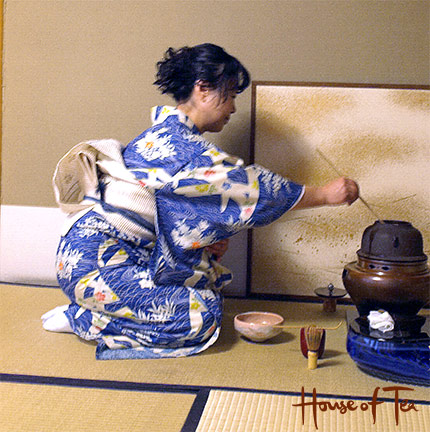
MATCHA TEA – JAPANESE GREEN TEA IN ITS MOST CONCENTRATED FORM
Matcha tea is a Japanese green tea that is ground into a very fine powder and whisked directly into the water. Unlike regular green tea, where you brew the leaves and then remove them, with matcha you drink the actual tea leaves in powdered form. This makes the flavour more concentrated and gives a completely different tea experience. The more exclusive the matcha tea, the sweeter and more balanced the flavour.
Genuine matcha tea is not just any green tea powder. It is made from tea leaves that have been shaded before harvest, processed into Tencha tea and then stone-ground into a fine powder. The result is an intensely green tea with sweet umami, gentle bitterness and a full-bodied taste – a tea unlike other teas.
WHAT IS GENUINE MATCHA TEA?
For a tea to be called matcha according to Japanese tradition, it should:
- be made from green tea that has been grown in shade in the weeks before harvest
- be processed into Tencha – the leaves are steamed and dried without being rolled
- be stone-ground very finely into powder
- originate from Japan
Cheap green tea powder that has not been shaded, is not Tencha, is not stone-ground and often does not come from Japan has a different character: more yellow colour, coarser or flat taste and less umami. It is sometimes sold as "matcha", but is on a completely different quality level. The quality level of matcha teas is often visible in the colour of the tea. The more yellow the tea, the lower the quality.
PRODUCTION OF MATCHA TEA
For high-quality matcha tea, tea leaves are used that are shaded from the sun for about three weeks before harvest, similar to Gyokuro. The shading causes the tea plant to produce more of the amino acid theanine and more chlorophyll, and fewer catechins. This gives a darker green colour, gentler bitterness and more sweet umami.
After harvest the tea leaves are steamed and dried and become Tencha tea. Tencha is then stone-ground very slowly in granite mills to avoid friction heat and preserve the tea's colour, flavour and aroma. It takes about one hour to grind 40 grams of matcha.
There are cheaper ways to grind tea, but for quality matcha traditional stone grinding is used. Our matcha teas are stone-ground.
Matcha is often divided into different areas of use:
- Usucha – thinner matcha that most people drink on a daily basis. Whisked with slightly less powder and more water.
- Koicha – tea ceremony. Thick matcha made with significantly more powder per amount of water. Here the quality of the tea becomes very evident and matcha of higher grade is used.
- Matcha for cooking – used for example in matcha latte, pastries, ice cream and smoothies. Here you can use both high-quality matcha and simpler grades depending on how clearly you want the flavour to dominate.
The thicker you prepare the matcha, the more important higher quality and grade become, while simpler quality is sufficient for baking.
How do you prepare matcha tea?
Traditionally matcha tea is prepared in a bowl with a bamboo whisk, but you can also use a small electric milk frother. The powder does not dissolve in the water but is suspended as an emulsion, so the matcha needs to be whisked thoroughly.
Basic recipe for a bowl of matcha (Usucha)
- Dosage: about 1–2 teaspoons of matcha for a bowl of about 200 ml
- Water: about 65–80 °C
- Method:
- First pour in a small amount of water and stir the powder into a smooth paste to avoid lumps.
- Add the remaining water.
- Whisk with a quick, light wrist movement in an "M" or "W" pattern until the surface develops a fine foam.
- Drink immediately.
Koicha – thick matcha
Koicha is prepared with significantly more matcha and less water, and it is whisked more gently so as not to create too much foam. Here matcha of very high quality is recommended, as the flavour becomes intense. For this, ceremonial matcha is traditionally used.
Matcha in everyday life – latte, baking and food
Today matcha is used both as a traditional tea and as an ingredient in cooking. Matcha latte, matcha in smoothies, ice cream, chocolate and pastries have become popular, as matcha contributes both colour and a distinct tea character.
For latte and baking you do not need the highest grades of matcha or ceremonial matcha, but it is worth using genuine matcha tea.
Examples of matcha tea in our selection
- Matcha Miyako No Shiro 40 grams – highest quality, excellent for Koicha or matcha to drink on its own.
- Matcha Hatsumukashi 40 grams – high-grade matcha tea with a full-bodied flavour, ideal for both Koicha and Usucha.
- Matcha Kyoto 40 grams – quality matcha from Uji, well suited for Usucha, everyday matcha and matcha latte.
- Matcha Kagoshima Organic 40 grams – organic matcha from Kagoshima.
- Matcha Midori 100 grams – larger pack, a good value quality option when you drink matcha often.
View the full selection of matcha teas »
Frequently asked questions about matcha tea
What makes matcha different from regular green tea?
Matcha is shaded, stone-ground tea where you drink the powdered tea itself. Regular green tea is brewed from whole leaves that are then removed. This makes matcha more concentrated in both flavour and content.
Does matcha contain more caffeine than other tea?
Matcha naturally contains caffeine, often more per cup than many other green teas, because you drink the whole tea leaf in powdered form. At the same time matcha contains the amino acid theanine, which is why many people experience a gentler, more focused energy compared with coffee.
How should I store matcha?
Matcha is a fresh product. Store it well sealed, dark and cool, preferably in the refrigerator if the package is unopened. An opened package should be used within a few months for the best flavour.
Do I need "ceremonial" matcha to drink matcha on its own?
No. You need a matcha tea of high quality with a good balance between sweetness, umami and bitterness. "Ceremonial" on the label is no guarantee – it is better to look at the origin, how the tea is grown and processed, and how we describe the flavour. The term ceremonial has suffered from inflation.